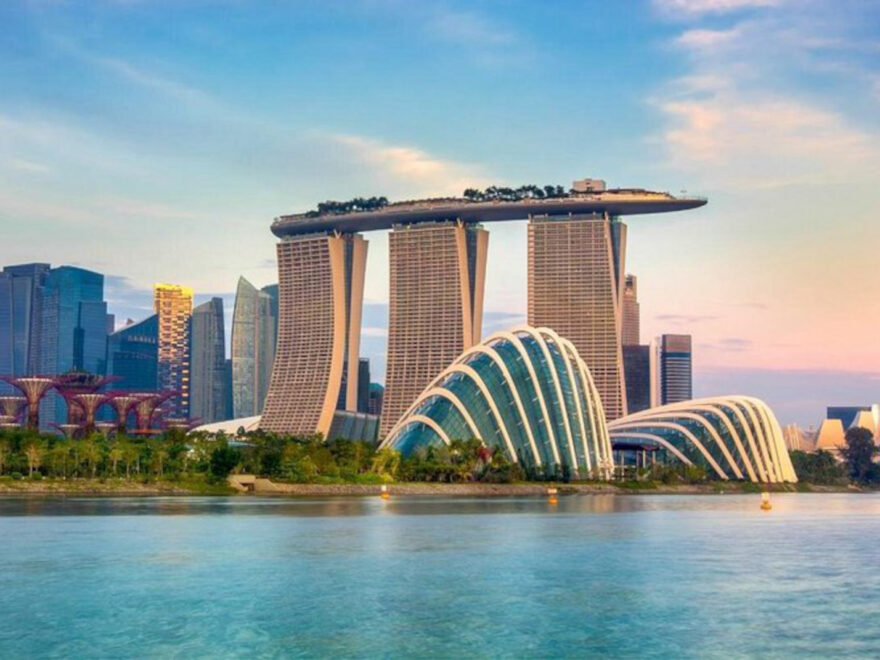
Keeping abreast of the latest real estate updates is paramount for making well-informed decisions in Singapore’s competitive market. EdgeProp Singapore, a leading property news portal, offers invaluable insights for investors.
The current state of the industry is marked by evolving housing market trends. Recent developments and forecasts suggest a dynamic landscape, with numerous factors shaping the market.
Grasping these trends is crucial for investors to effectively navigate the market. By staying current with the latest singapore property news, investors can make informed decisions and remain ahead of the curve.
Overview of the Singapore Property Market
Recent developments in the Singapore property market underscore the importance of a detailed understanding of its trends and conditions. As a pivotal component of Singapore’s economy, the property market attracts the attention of investors and analysts. This scrutiny is due to its significant economic impact.
Current Market Conditions
The current state of Singapore’s property sector is shaped by various elements. These include government regulations, foreign investment, and the dynamics of demand and supply. EdgeProp Singapore notes that the market is undergoing a transformation due to these factors.
Demand for properties in specific areas is influenced by proximity to public transportation and amenities. The availability of new properties also significantly impacts the market conditions.
Key Trends Influencing Prices
Several trends are shaping prices in the Singapore property market. Government regulations, foreign investment, and shifts in consumer preferences are among these. These factors collectively influence market activity and property demand.
The trend towards sustainable living is also impacting property prices. Green buildings and eco-friendly developments are gaining popularity among buyers and renters. This shift reflects a broader societal preference for environmentally conscious living spaces.
Government Regulations Impacting Real Estate
Government regulations significantly influence the real estate sector in Singapore. These regulations aim to stabilize the market, foster sustainable growth, and enhance housing affordability for the populace.
Recent Policy Changes
In recent years, the Singapore government has introduced several policy adjustments to regulate the property market. The Total Debt Servicing Ratio (TDSR) framework is a key measure, designed to prevent households from accumulating excessive debt. Cooling measures have also been implemented to curb market overheating.
These policy shifts have profoundly impacted the real estate market, affecting both demand and supply dynamics. For example, the Additional Buyer’s Stamp Duty (ABSD) has been fine-tuned to manage foreign investment and curb speculation.
Initiatives to Boost Affordable Housing
To enhance affordability, the Singapore government has launched several initiatives to increase affordable housing supply. The Housing and Development Board (HDB) plays a crucial role in providing subsidized housing to eligible Singaporeans. The government has also introduced the Enhanced CPF Housing Grant to assist lower- and middle-income families in purchasing homes.
These efforts have made housing more accessible to a broader demographic. The government remains vigilant, continually monitoring the market and refining its policies to maintain housing affordability.
Through regulation and initiatives to boost affordable housing, the Singapore government strives to create a balanced and sustainable property market. This approach benefits both homeowners and investors, ensuring a stable environment for real estate.
High-Profile Property Developments in Singapore
High-profile property developments are revolutionizing Singapore’s real estate scene with cutting-edge designs and opulent amenities. These projects are not only reshaping the city-state’s skyline but also establishing new benchmarks for living and investment.
Notable Upcoming Projects
Several high-profile projects are on the horizon, promising to further elevate Singapore’s property market. The Marina One development, for instance, will integrate residential, commercial, and retail spaces. The Paya Lebar Airbase redevelopment is also anticipated to become a dynamic mixed-use hub.
Completed Landmark Properties
In recent years, Singapore has witnessed the completion of several landmark properties, including the iconic Jewel Changi Airport and the luxurious Leedon Park private estate. These developments have garnered widespread acclaim for their architectural prowess and have significantly contributed to the property market’s growth.
The completion of these landmark properties has positively impacted the surrounding areas, leading to increased property demand and a surge in local businesses. As Singapore continues to evolve, these high-profile developments are expected to significantly influence the city-state’s property market insights and Singapore property news.
Residential Property Market Updates
The current state of Singapore’s residential property market is marked by shifting demand patterns. These changes are driven by government regulations and evolving consumer preferences. This dynamic environment is crucial for understanding the market’s trajectory.
HDB Market Analysis
The HDB market in Singapore has witnessed notable trends, with demand and supply fluctuations being pivotal. Recent data reveals a seesaw in HDB resale prices, influenced by location and property type. This variability is essential for potential buyers and investors aiming to navigate the HDB market successfully.
Private Property Trends
The private property market in Singapore is witnessing significant trends, with a notable increase in new launches. This surge is attributed to developer strategies and buyer interest in premium properties. Analyzing these trends offers valuable insights into the residential property market’s health, aiding in informed decision-making.
As the residential property market continues to evolve, staying abreast of the latest trends and news is vital for both buyers and investors. The interplay between HDB and private property trends provides a comprehensive view of Singapore’s property market landscape.
Commercial Property Highlights
The Singapore commercial property scene is undergoing a significant transformation. This shift is influenced by various factors, including changes in office space demand and supply. The evolving popularity of retail locations also plays a crucial role.
Office Space Demand and Supply
The demand for office space in Singapore has experienced fluctuations due to economic conditions and the rise of remote work. Despite these challenges, certain areas continue to attract businesses. This is driven by factors such as proximity to transportation hubs and the availability of modern amenities.
On the supply side, new office developments are being introduced to the market. These offer a range of options for businesses. They often feature cutting-edge design and technology, catering to the needs of modern companies.
Popular Retail Locations
Retail locations in Singapore continue to be a vibrant part of the commercial property landscape. Areas such as Orchard Road and Marina Bay remain popular among consumers and retailers alike. This is due to their high foot traffic and diverse offerings.
Emerging retail areas are also gaining traction. They are driven by new developments and redevelopments that offer a mix of retail, dining, and entertainment options. These areas attract a new generation of consumers seeking unique experiences.
As the commercial property market in Singapore continues to evolve, understanding the trends and factors influencing office space and retail locations is crucial. Staying informed about the latest developments and market analysis will help in making informed decisions.
Impact of Foreign Investment on the Market
In recent years, Singapore’s real estate sector has witnessed a significant surge in foreign investment. This increase is attributed to various market and economic factors. Such a trend profoundly impacts the property market, affecting both prices and the overall dynamics.
Foreign investment in Singapore’s property market has not been a new phenomenon. Its scale and influence, though, have notably expanded in recent years. The allure of Singapore as a stable and profitable investment destination has attracted capital from across the globe.

Recent Foreign Purchases
Several high-profile transactions involving foreign buyers have marked Singapore’s property market. These transactions underscore the confidence of international investors in Singapore’s real estate. They also contribute to the market’s liquidity and influence price dynamics.
The sectors most appealing to foreign investors include luxury residential properties and commercial real estate, notably in prime locations. This investment has spurred the development of new projects and the enhancement of existing properties.
Trends in Overseas Buyer Interest
Overseas buyer interest in Singapore’s property market is shaped by several factors. These include economic stability, political climate, and the potential for capital appreciation. Recent trends suggest a sustained interest in residential properties, with a focus on areas offering high amenity value.
The trend towards sustainable and green properties is gaining momentum among foreign investors. This reflects a global shift towards environmentally conscious investments. It is anticipated to shape the types of properties being developed in Singapore, with a greater emphasis on sustainability features.
Sustainable Property Practices in Singapore
The Singapore property market is undergoing a transformative shift towards sustainability. Green building initiatives are at the forefront of this change. This movement is fueled by the government’s dedication to lowering the country’s carbon footprint. It also aims to foster eco-friendly living environments.
Green Building Initiatives
Singapore has been actively promoting green building initiatives through various schemes and incentives. The Green Mark Scheme, launched by the Building and Construction Authority (BCA), is a pivotal initiative. It encourages developers to embrace sustainable building practices. Buildings that meet specific environmental standards are awarded the Green Mark certification. This certification has become a hallmark of sustainability in the Singapore property market.
Developers are now integrating green features into their projects. These include energy-efficient lighting, rainwater harvesting systems, and the use of sustainable materials. Such features not only diminish the environmental impact of buildings but also elevate the quality of life for occupants.
Benefits of Sustainable Living Spaces
Sustainable living spaces offer numerous advantages. They include reduced energy consumption, lower utility bills, and a healthier indoor environment. These spaces are designed to maximize natural light and ventilation. This reduces the need for artificial lighting and air conditioning.
Further, sustainable properties are gaining popularity among buyers and tenants. They are willing to pay a premium for eco-friendly features. This trend is driving demand for sustainable properties. It is also shaping the overall direction of the Singapore property market.
Mortgage Rates and Financing Options
The Singapore property market’s evolution underscores the need for knowledge on mortgage rates and financing options. These factors profoundly affect housing market trends, influencing both homebuyers and investors. Understanding these dynamics is critical for navigating the market effectively.
Current Trends in Mortgage Rates
Mortgage rates in Singapore have seen fluctuations due to economic factors. Recently, a trend towards more competitive rates has emerged, making property purchases more appealing. This change is largely attributed to the Monetary Authority of Singapore’s (MAS) efforts to stabilize the economy.
The current low-interest-rate environment has prompted homebuyers to secure mortgages, enhancing the Singapore property market news. Yet, buyers must remain vigilant, considering the long-term implications of their mortgage agreements.
Financing Alternatives for Homebuyers
Homebuyers in Singapore have access to diverse financing alternatives beyond traditional mortgages. Options include bank loans, housing loans from financial institutions, and government-backed schemes like HDB loans for public housing.
For private property purchases, buyers can explore bridging loans and private financing schemes. These alternatives offer flexibility, tailored to individual financial needs, supporting real estate updates and market activity.
Grasping these financing options and keeping up with the latest mortgage rates is essential for homebuyers. By employing the right financing strategy, buyers can better navigate the market and achieve their property ownership objectives.
Upcoming Real Estate Events and Exhibitions
Singapore is preparing to host a series of significant real estate events and exhibitions. These gatherings will offer deep insights into the latest market trends. They will serve as a platform for industry professionals to network, exchange knowledge, and stay abreast of the latest developments in the Singapore property market.

Major Property Conferences
Several major property conferences are scheduled to take place in Singapore. These events will feature keynote speakers from the industry and panel discussions on key topics. They will cover various aspects of the property market, including investment opportunities, market trends, and regulatory changes.
Attendees can expect to gain valuable insights into the Singapore property market. This includes the latest property investment news and trends. The conferences will also offer opportunities for networking with other industry professionals and investors.
Networking Opportunities for Investors
The real estate events and exhibitions in Singapore will provide numerous networking opportunities for investors. These events will bring together industry professionals, investors, and other stakeholders. They will serve as a platform for building relationships and exploring potential investment opportunities.
Investors will have the chance to connect with other like-minded individuals. They will learn about new developments in the property market and stay updated on the latest Singapore property news. The events will also feature exhibitions showcasing various property projects and developments. This will give investors a chance to explore different investment options.
By attending these events, investors and industry professionals can stay ahead of the curve in the Singapore property market. They will gain valuable insights into the latest trends and developments. The events will be an essential platform for anyone looking to stay informed about the property market analysis and investment opportunities in Singapore.
Technology’s Role in the Property Sector
The property sector in Singapore is undergoing a technological transformation, affecting various aspects of the industry. Technology integration is boosting the efficiency of real estate services. It is also revolutionizing property marketing, sales, and management.
Innovations in PropTech
PropTech, or Property Technology, is a significant force in the real estate sector. It includes technologies like artificial intelligence, blockchain, and the Internet of Things (IoT). These are being applied to enhance property transactions, management, and services.
Notable PropTech innovations include virtual reality property tours and online marketplaces. Digital transaction platforms are also being introduced. These advancements facilitate easier connections and transactions between buyers and sellers.
Reshaping Real Estate Services
Technology is reshaping real estate services in Singapore. PropTech enables real estate agents to offer more personalized services. They use data analytics to provide insights into market trends and property values.
Technology also facilitates more efficient property management through smart building technologies and IoT devices. These innovations enhance the living experience for residents and reduce operational costs for property owners.
As technology advances, the property sector in Singapore is expected to become more efficient, transparent, and customer-focused. The ongoing adoption of PropTech innovations will be key to driving this transformation.
Cultural Influence on Property Preferences
Understanding cultural nuances is crucial for grasping Singapore’s property market dynamics. The city-state’s diverse cultural landscape significantly influences property preferences. This includes design trends in homes and the role of heritage in property choices.
Design Trends in Singapore Homes
Design trends in Singapore homes reflect the city-state’s multicultural identity. For instance, the incorporation of Feng Shui elements is a common practice among homeowners. This highlights the influence of cultural beliefs on design preferences.
Further, the trend towards modern and minimalist designs reflects the evolving tastes of Singaporean homeowners. They are increasingly drawn to simplicity and functionality.
The Role of Heritage in Property Choices
Heritage plays a significant role in property choices in Singapore. Many buyers are drawn to properties that incorporate historical elements or are located in areas rich in cultural heritage.
Conservation efforts and the restoration of heritage buildings have also contributed to the appeal of certain neighborhoods. This makes them highly sought after by both locals and foreigners.
The blend of modern amenities with historical charm creates a unique living experience. This experience is quintessentially Singaporean, further influencing property preferences in the market.
Future Predictions for the Singapore Property Market
The Singapore property market is on the cusp of significant transformation, influenced by a multitude of factors. These elements will collectively shape its future trajectory. It is imperative to examine both the long-term growth projections and the potential risks to market stability.
Economic and Demographic Trends
Analysts foresee a sustained demand for properties, driven by Singapore’s economic and demographic trends. Recent market analysis suggests that the country’s strategic location and robust economy will continue to draw foreign investment. This influx of capital is expected to propel growth within the property sector.
Factors Affecting Market Stability
Yet, several factors could potentially destabilize the market. These include government regulations, global economic trends, and shifts in consumer preferences. For investors and homebuyers, staying updated with the latest Singapore property news and property investment news is critical. It will enable them to effectively navigate these evolving landscapes.
As the property market undergoes continuous evolution, grasping these dynamics is essential for making informed decisions. By remaining informed about the latest developments and trends, stakeholders can adeptly navigate the complexities of the Singapore property market.